When it comes to land clearing, property owners have more options than ever before. One method that has gained popularity in recent years is forestry mulching. Instead of bulldozing or burning, forestry mulching uses specialized equipment to shred trees, brush, and vegetation into mulch on-site.
But the big question many homeowners, farmers, and land developers ask is: Is forestry mulching worth it? Let’s take a closer look at what it is, its benefits, drawbacks, and when it makes the most sense.
What Is Forestry Mulching?
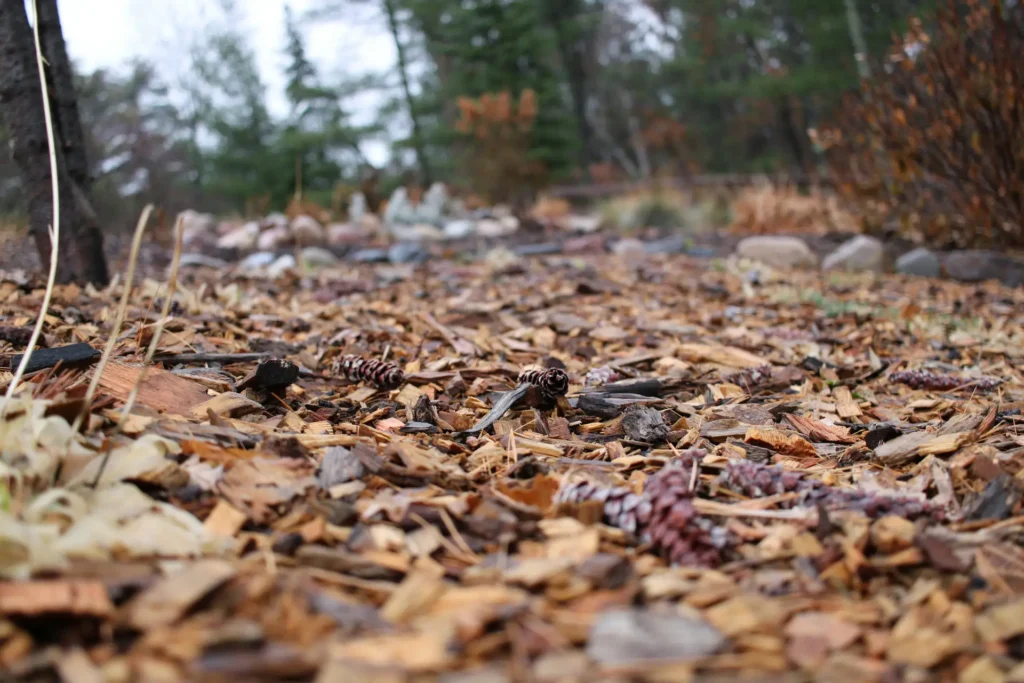
Forestry mulching is a land-clearing method that involves a single machine—often called a mulcher, forestry mower, or brush cutter—that grinds up trees, underbrush, and vegetation into fine mulch. This mulch is then spread evenly across the ground, creating a natural layer that enriches the soil and helps prevent erosion.
Unlike traditional land clearing methods, mulching does not require hauling debris away, burning, or disturbing the topsoil as much.
Benefits of Forestry Mulching
- Environmentally Friendly
- Mulch created from trees and brush is left on the soil, returning nutrients and helping prevent erosion.
- Unlike burning, it doesn’t release large amounts of carbon into the air.
- It preserves the root system of the soil, which can protect against runoff.
- Cost-Effective for Certain Jobs
- Since mulching is a one-step process (cutting, grinding, and spreading all in one), it often costs less than hiring crews and equipment for cutting, hauling, and burning.
- It eliminates the need for hauling debris off-site.
- Improves Land Health
- Mulch helps retain soil moisture, suppress weeds, and improve soil fertility over time.
- It can make overgrown land more usable without stripping it bare.
- Quick and Efficient
- A mulching machine can clear an acre in just a few hours, depending on terrain and vegetation density.
- Perfect for clearing trails, right-of-ways, hunting land, or small acreage.
- Selective Clearing
- Unlike bulldozers, mulchers can clear brush and small trees while leaving mature, healthy trees intact.
- This allows for customized land management instead of total clearing.
Drawbacks of Forestry Mulching
- Not Ideal for Large Trees
- Mulchers work best with brush, saplings, and trees under 6–8 inches in diameter.
- Clearing heavily wooded land with large hardwoods is slower and more expensive.
- May Not Replace Traditional Clearing
- If you’re preparing land for construction or farming, you may still need excavation, stump removal, and grading after mulching.
- Upfront Costs
- Professional forestry mulching can cost $400 to $600 per acre on average, depending on vegetation density and location. While often cheaper than full clearing, costs add up on larger parcels.
When Forestry Mulching Is Worth It
- Managing overgrown lots or small acreage: Great for property owners who need to reclaim land from brush and invasive plants.
- Creating trails or paths: Perfect for recreational land, hunting properties, or access roads.
- Fire prevention: Reduces fuel loads (brush and deadwood) that can increase wildfire risk.
- Improving aesthetics: Transforms an overgrown property into usable, attractive land without total destruction.
When Forestry Mulching May Not Be Enough
- If your goal is to build a house, farm, or install a septic system, you’ll likely need excavation and grading after mulching.
- For heavily forested areas with large trees, traditional clearing methods may be more efficient.
Final Thoughts
So, is forestry mulching worth it? The answer depends on your goals. If you want a fast, eco-friendly, and cost-effective way to clear brush, saplings, and small trees, then forestry mulching is absolutely worth it. It’s ideal for improving property appearance, creating trails, and reclaiming overgrown land.
However, if you’re preparing land for construction or large-scale farming, forestry mulching may need to be combined with other clearing methods.
In many cases, forestry mulching is a smart first step that balances land management with environmental care—making it one of the most popular modern land-clearing solutions.